Psychiatrist-Led TMS for Depression
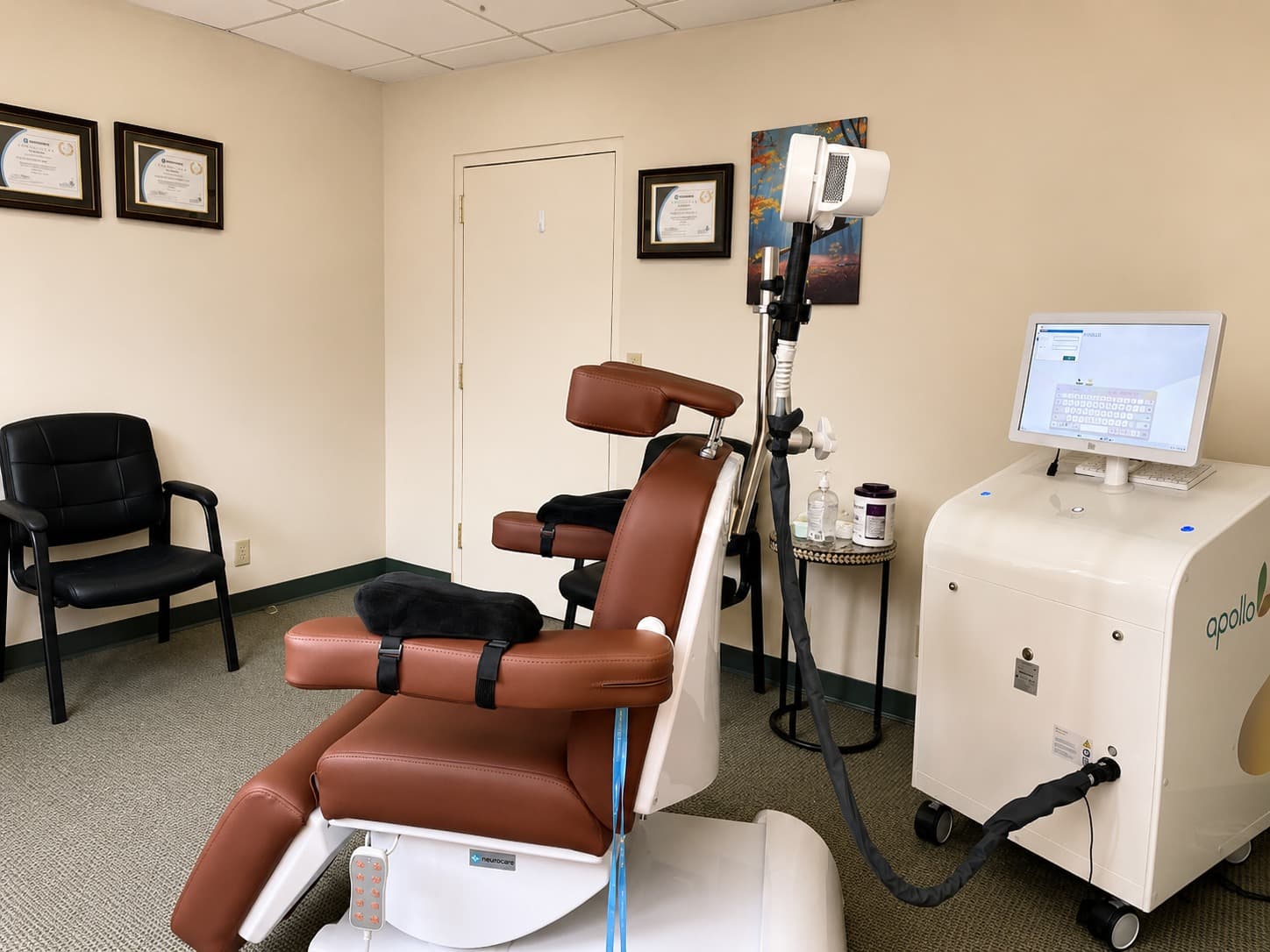
At Zen Psychiatry, Dr. Shajiuddin Faraz Mohammed offers psychiatrist-led TMS for depression to patients across Westchester from our TMS clinic in White Plains.
When Depression Doesn't Respond to Medication
Antidepressants help many people, but a significant share of patients don't reach full recovery with their first or second medication. When depression hasn't improved enough after adequate trials of two or more antidepressants, doctors call it treatment-resistant depression. Common signs include:
- —Two or more antidepressants haven't brought lasting relief
- —You feel “better but not well,” with low energy, poor sleep or no motivation
- —Side effects forced you to stop or lower your medication
- —Depression keeps returning after periods of improvement
How TMS Treats Depression
Brain imaging research shows reduced activity in the left prefrontal cortex in many people with depression. TMS delivers repeated magnetic pulses to this region, stimulating nerve cells and strengthening their connections with deeper mood-regulating areas of the brain. Over a course of daily sessions, these changes can lift mood, improve sleep and concentration, and restore interest in everyday life.
What Results Can You Expect?
Results vary from person to person. In clinical practice, about half of people with medication-resistant depression have a meaningful improvement with TMS, and a portion reach full remission. Many patients notice better sleep, energy or focus first, with mood following. Dr. Mohammed tracks your progress with standardized depression scales throughout treatment, so your plan can be adjusted if needed.
TMS Compared With Other Depression Treatments
| Treatment | Anesthesia | Body-wide side effects | Drive after? | Time commitment |
|---|---|---|---|---|
| TMS | No | Rare (mainly scalp discomfort) | Yes | Daily office sessions for about 6 weeks |
| Antidepressants | No | Possible (weight, sleep, sexual) | Yes | Daily pill; several weeks to work |
| Spravato (esketamine) | No | Dissociation, sedation; 2-hour monitoring | Not the same day | Clinic visits 1-2 times a week |
| ECT | Yes | Possible memory effects | No | Several sessions a week |
Who Is a Good Candidate for TMS for Depression?
TMS is a strong option for adults with major depressive disorder who haven't improved enough with antidepressants or couldn't tolerate them. It may not be right for you if you have non-removable metal in or near your head, certain implanted devices, or a seizure history that hasn't been evaluated. Dr. Mohammed reviews all of this at your consultation.
Depression Care That Goes Beyond the Machine
TMS works best as part of a complete treatment plan. At Zen Psychiatry, TMS is coordinated with medication management and therapy, and Dr. Mohammed reviews your medications before and during treatment. After your course, we build a plan to protect your progress, which may include follow-up visits and, if needed, maintenance sessions.