
Depression is usually called treatment-resistant when it hasn't improved enough after at least two antidepressants taken at an adequate dose for an adequate length of time. It's common, it isn't your fault, and there are effective next steps, including TMS.
1. Two or More Antidepressants Haven't Brought Enough Relief
This is the most common definition of treatment-resistant depression. If you've given at least two medications a fair trial, usually six to eight weeks at a therapeutic dose, and your symptoms are still weighing you down, it's time for a fresh evaluation.
2. You Feel “Better” but Not Well
Some people improve partway and get stuck. The crying spells stop, but energy, motivation, concentration or sleep never fully return. Doctors call these residual symptoms, and they matter: they raise the chance of depression coming back.
3. Side Effects Made Medication Impossible to Continue
Weight gain, fatigue, emotional numbness and sexual side effects cause many people to stop antidepressants. If side effects have repeatedly kept you from staying on treatment, that history is important, and many insurers count it when approving alternatives such as TMS.
4. Your Depression Keeps Coming Back
Feeling better for a few months, then sliding back down, is exhausting. Repeated episodes, especially while still on medication, are a sign that your current approach may need to change.
5. Your Dose Keeps Going Up, and So Do the Side Effects
Raising a dose or adding another medication is a normal part of treatment. But if each change brings more side effects and less benefit, it may be time to consider options that work differently.
6. Daily Life Is Still a Struggle
Depression is measured by more than mood. If work, relationships, parenting or simple daily tasks still feel overwhelming despite treatment, your depression isn't adequately treated, whatever the label.
7. You've Started to Feel Hopeless About Treatment Itself
After several attempts, it's natural to wonder whether anything will work. That hopelessness is often a symptom of the depression, not a prediction. Many people with treatment-resistant depression do get better with the right next step.
Why Does Depression Become Treatment-Resistant?
There's rarely a single reason. Sometimes the dose or duration wasn't enough. Sometimes another condition, such as a thyroid problem, sleep apnea, substance use or an undiagnosed bipolar condition, is getting in the way. And for some people, the brain circuits involved simply respond better to a different kind of treatment. That's why a careful psychiatric re-evaluation is the first step.
What Can You Do Next?
A psychiatrist can review your full treatment history and discuss options such as:
- —Adjusting or combining medications
- —Adding or changing psychotherapy
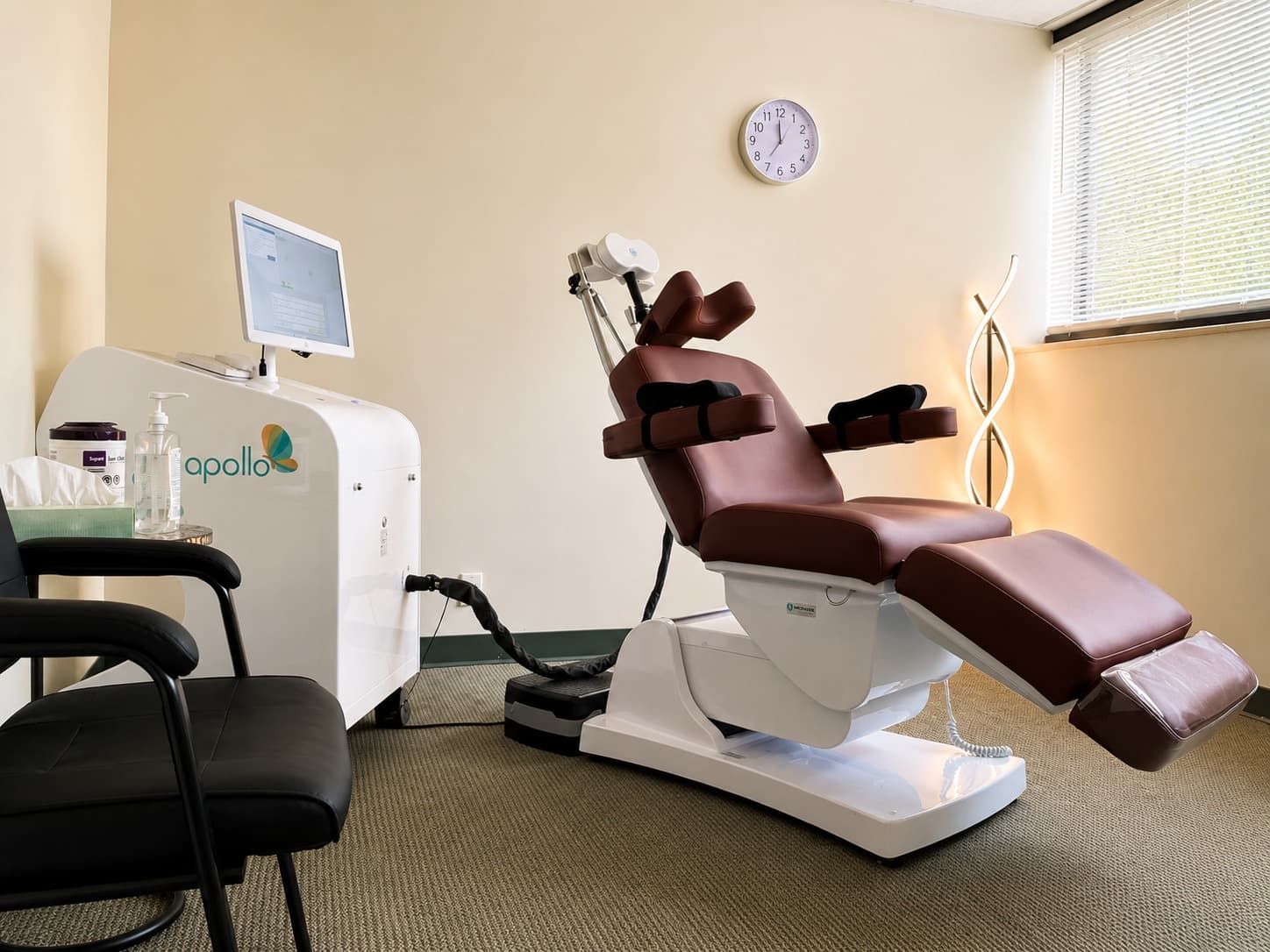
- —TMS for depression, a non-drug, FDA-cleared treatment designed for this situation
- —Other specialized treatments, such as esketamine (Spravato) or ECT, when appropriate
Please don't stop or change your medication on your own. Talk with your prescriber first. New to TMS? Start with what TMS therapy is.